


Becoming a stepmother, I often felt the general dislike people had for the role despite my presence. Even though I, Priscilla, am a stepmother, people would cling to their negative stereotypes about the role. They would disassociate me from the title because I was likeable, a friend, a colleague, or a family member.
I didn't take immediate action during those moments, but they allowed me to realize that stepmothers are not humanized. They're seen as characters to be treated in a particularly negative way. When someone holding that title challenges the stereotype, people tend to ignore them rather than shift their perception and recognize that stepmothers are just regular women with distinct names and identities.
Parenting sometimes feels like a big elite club where biological mums and dads decide who can join them. It's clear to me that same-sex parents, those undergoing IVF, adoptive parents, and TTC (trying to conceive) individuals are now more welcome in this circle. I know and feel this to be true because I have four biological children, which means I can fit in anywhere. However, I choose to show up and be recognized as a stepmother alongside my role as a mother.
What ultimately spurred me into action was when enemies within my camp - extended family members and people with close bonds - began blaming me for things that had nothing to do with me. The poor treatment and lack of protection pushed me into depression but later awakened a strong desire to stand up and speak out.
That was when I realized I needed to help myself, and in doing so, I found myself on a mission to assist others who might not be able to or are unwilling to speak up for themselves. Experiencing baby loss and chronic illness further deepened my desire to ensure a broad community of caregivers is seen and supported. No one is ever just a stepmother; she is that and much more.
Nowadays, I work within corporate environments to advocate for the mental health and inclusion of stepmothers in the workplace. To date, I have collaborated with organizations such as Peabody, Tommee Tippee, and the London School of Economics and partnered with PVH, the home of Tommy Hilfiger and Calvin Klein, to advance this mission.
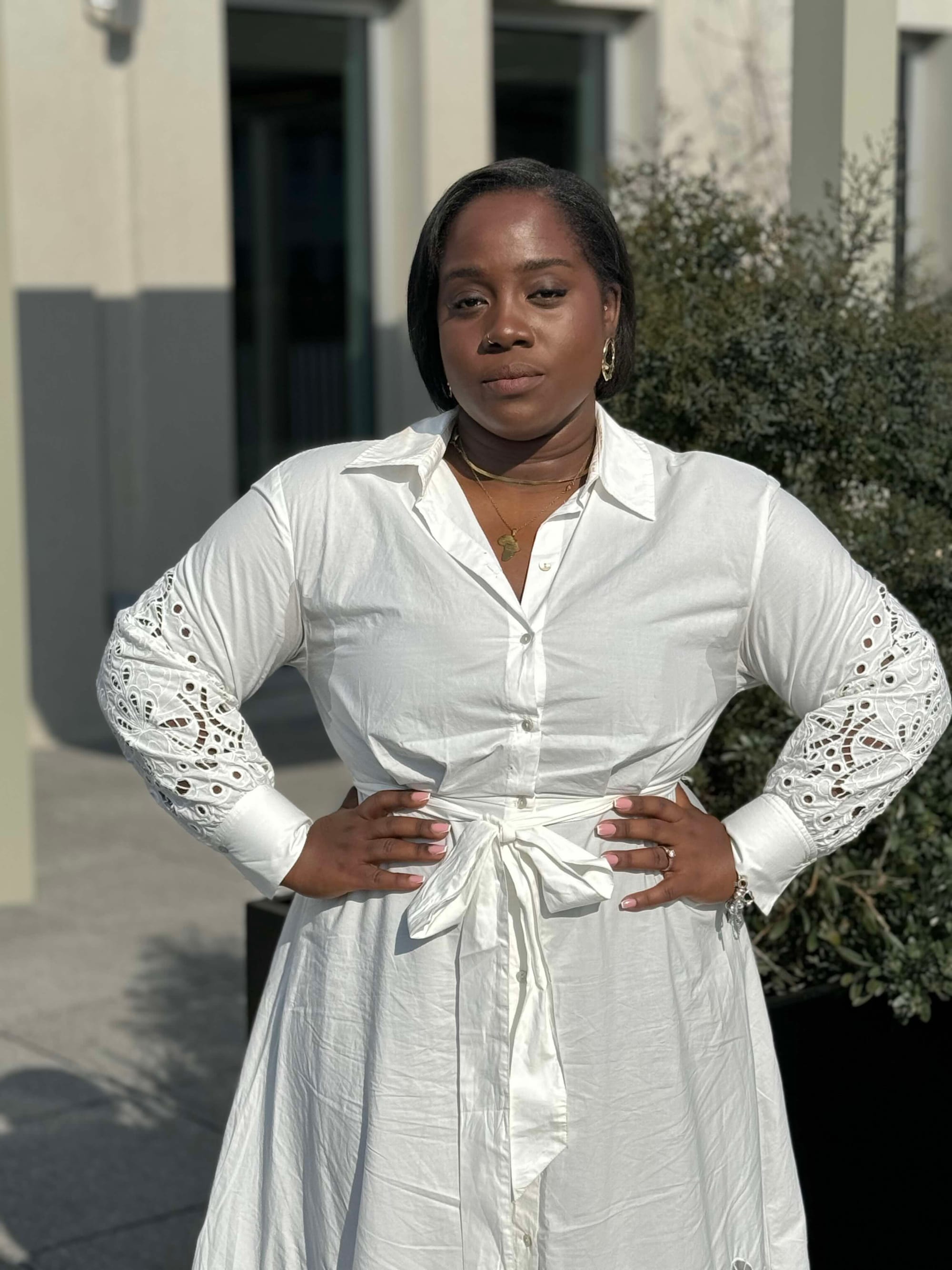
Before entering the corporate world, I was the first stepmother to represent at BBC 5 Live's Mum Takeover. I launched local support groups and online membership spaces offering coaching and workshops. Additionally, I created two groundbreaking mini BBC documentaries on Fathers in Blended Families and Stepmothers & Birthmothers airing their differences.
This is just a small part of what I have accomplished. But through these efforts, I have demonstrated that there is a willingness to listen to the plights of stepmothers if someone is willing to advocate. This journey has bolstered my confidence as a stepmother as I have found a purpose beyond being a caregiver to my children. The best part is that I no longer care about what people think about myself or Stepmothers; my main focus is to make sure people truly understand our experiences for the sake of emotional and mental stability.
If we truly care about people and those who contribute to raising the next generation, it's time to pay closer attention to blended families. Currently, they make up 1 in 3 households. With the trends of divorce, single-parent homes, and individuals entering long-term relationships later in life, the prevalence of blended families will only continue to grow. They will remain the largest family type next to the nuclear family.
If we truly care about people and those who contribute to raising the next generation, it's time to pay closer attention to blended families. Currently, they make up 1 in 3 households.
The journey has been hard and lonely, and I am often hit with the reality that I am a one-man band. Parenting sometimes feels like a big elite club where biological mums and dads decide who can join them. It's clear to me that same-sex parents, those undergoing IVF, adoptive parents, and TTC (trying to conceive) individuals are now more welcome in this circle. I know and feel this to be true because I have four biological children, which means I can fit in anywhere. However, I choose to show up and be recognized as a stepmother alongside my role as a mother.
I will continue to infiltrate traditional parenting spaces until stepmothers are fully acknowledged - not as an afterthought, but as an integral part of expos, seminars, and events centred around parenting. This is what makes me a Disruptor. I will keep showing up at these events and in workplaces, prompting people to wonder, "Why?" Just so I can seize the opportunity to explain that inclusivity, equity, and diversity truly mean something for everyone.
In my opinion, tangible change has yet to be made, but people are starting to hear me out more. There are more conversations about blended families, and I am being allowed to take up space without having to force my way in. Slow and steady wins the race. I am seeking allies and platforms to help amplify my message, and I believe I'll get there eventually. Hopefully, if my three daughters ever become stepmothers, it will be a title they don't have to feel ashamed of.
Priscilla Appeaning, a seasoned Certified Stepparent Coach with 7 years of experience and founder of The Stepmums Club, is pioneering the integration of blended family dynamics into mainstream parenting discourse. Championing marginalized caregivers, she sheds light on the often-overlooked struggles of stepparents, aiming to foster workplace support and raise awareness about the significant mental health challenges they face. Drawing from her journey as a former single mother, mother of four, and stepmother of two, Cilla underscores the intersectional stigma surrounding stepmotherhood, both personally and professionally.


Member discussion