


I have encountered a fair few challenges so where to start is tricky but it is relevant that being a woman has impacted and shaped many of my experiences in ways it does not for men. I spent a number of years unwell and seeing doctors who all said I was a woman, too young, working in an industry that would cause stress.
The undiagnosed ulcer and subsequent life-saving surgery, when it burst, made Doctors take me a bit more seriously. It took over 10 years to receive an endometriosis diagnosis, and I waited four years for a pain clinic appointment. The list goes on!
Being the first adaptive brand to join the British Fashion Council is another proud achievement.
It all led to my lightbulb moment in the hospital in 2016 with a fellow patient. She shared that she could not dress how she wanted, both at home and out and about. After exploring the available options, I decided to use my fashion background in construction and fit to create a clothing range and champion the need for inclusive design for as many people as possible.
The experience and journey of going against the grain and challenging the norm have been very tough. It has been many years of being ignored and tolerated because of a tick-box exercise or being told a flat “NO” before things began to shift. As the inclusion momentum grew across industries, and as a lot of us spoke out persistently, retailers and brands began to listen.
Not giving up, even when the journey seemed too hard and was costing me my own money, time, and health, was incredibly testing. Perhaps the reason I have managed to survive is my passionate belief in the mission. As a result, I have been able to convince others through sheer relentlessness.
To better address these challenges, improvements in education and immediate hiring practices are necessary. People with disabilities should be included in decision-making from a head-office perspective and have the same access to higher education as non-disabled people. We have the right to choose our careers, and real change will only be normalized when we are present in every room, allowing the ripple effect to be fully realized.
I feel distinctly privileged for the various milestones I have achieved. My debut runway show is among the most significant. Initially, when I founded Unhidden, I had no intention of entering the runway scene; my goal was to break into retail. However, that show made a significant impact, helping to create buzz and forge relationships that led to future opportunities.
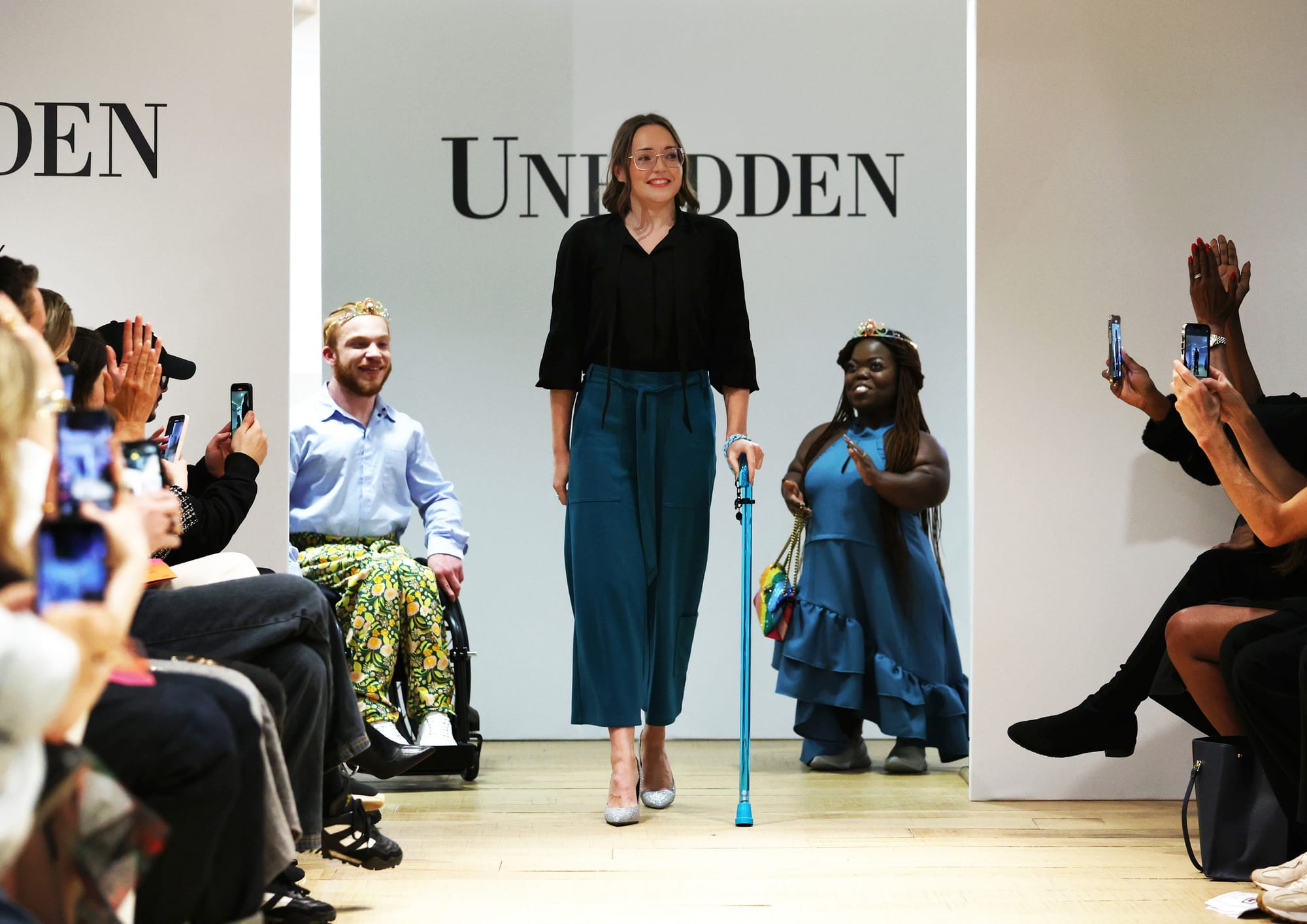
Being the first adaptive brand to join the British Fashion Council is another proud achievement. Finally, partnering with Primark to bring affordable adaptive fashion to the high street, available in 96 stores across 10 countries, is an honour.
What makes me a Disruptor is that I don't take no for an answer. I am not scared to call out bad practices and exclusion in the industry when I see it. But I want to work WITH people and not against them, so I do my best to approach these issues with empathy. That is where the magic happens—when people become curious and feel safe to ask questions. I have endless goals (not dreams) and I hope that despite the work I've already accomplished, I am still just getting started.
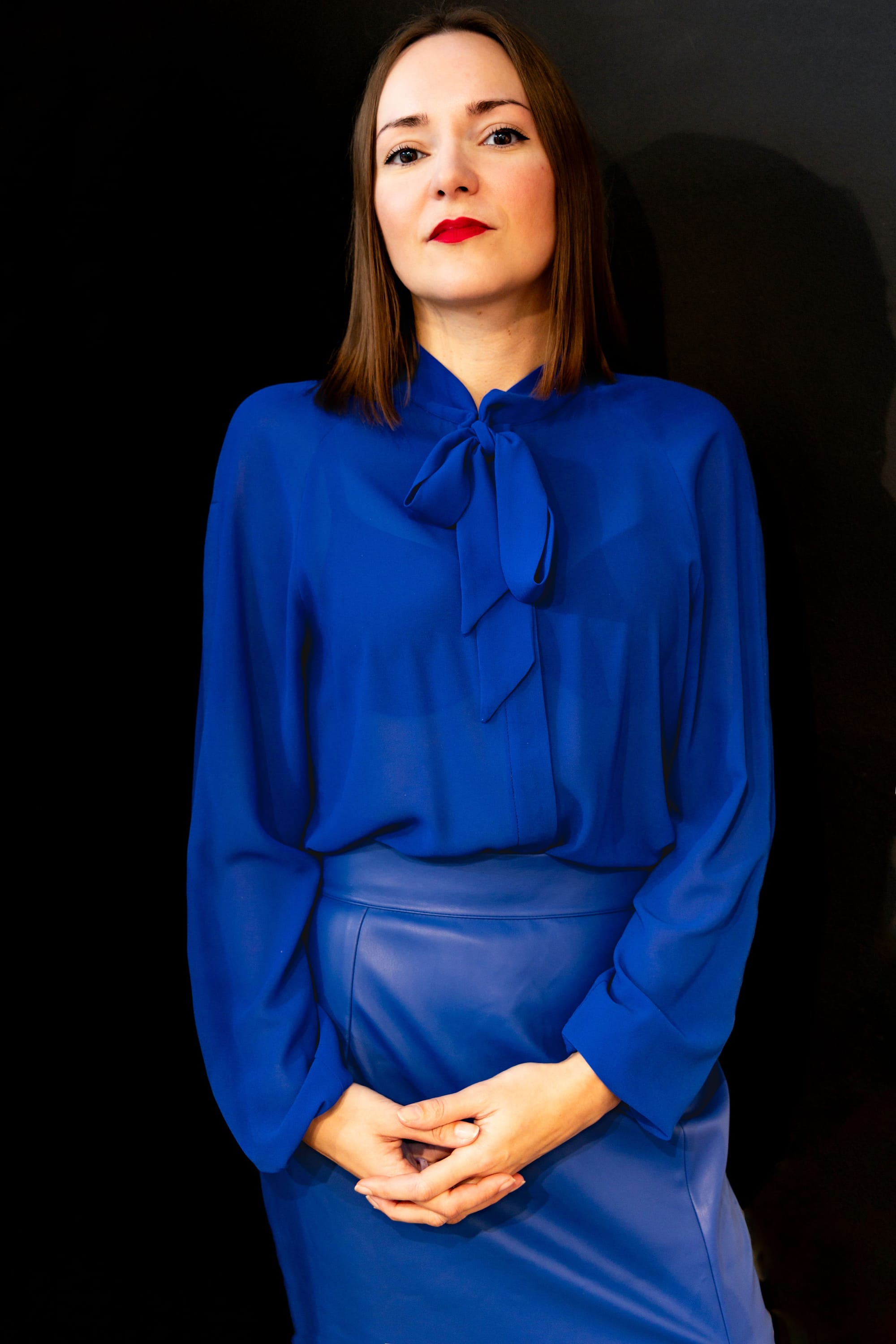
Victoria Jenkins, founder of award-winning adaptive fashion brand Unhidden, has changed the retail landscape, launching a men’s and women’s adaptive collection with Primark making fashion accessible to everybody. She is a disability advocate, TEDx speaker and author. She sits on multiple Charity boards as well as Co-Chair of the Lilac Review. She has been voted UK's 2nd most influential disabled person by The Shaw Trust for 2 years running on their Disability Power 100 list.


Member discussion