


I have never known a world that did not ask me to shrink—to be smaller, quieter, more palatable. But I have also never known a time when I did not question why. I learned early that exclusion is not incidental; it is designed. And if something is designed, it can be redesigned. Through my mother’s resilient journey with God, I saw firsthand how inequality shapes lives—but also how faith, strength, and perseverance rewrite the narrative.
Growing up in East London, I witnessed communities brimming with talent and ambition, not held back by a lack of ability but by a world unwilling to make space for their intersecting lived experiences. I felt it too—the closed doors, the ceilings that refused to break, the relentless questioning of my right to exist in spaces where my humanity should never have been up for debate.
So, I build where there are barriers. I amplify where there is silence. I continue to challenge the absurd notion that leadership is the privilege of a chosen few.
My mission is not just to include those who have been pushed to the margins but to centre their identities, stories, and expertise as essential to shaping the future. Change does not come from waiting for permission—it happens when we claim space, challenge what is broken, and reimagine what is possible.
I believe true impact is not measured by titles or recognition, but by the voices empowered, the opportunities expanded, and the shaping of a future where those who come after us step into spaces built with them in mind, without questioning whether they belong.
I lead with a solutions-driven mindset, not just critiquing harmful systems but co-creating more humanised, inclusive alternatives. My work is a direct response to the inequities I have faced and witnessed, and I am committed to protecting future generations from these same shortcomings—both locally and globally.
I founded Voicing Voices to normalise intersectional leadership—to ensure that those who have been historically excluded are not just present but empowered to architect their own futures. Through my work, I have designed leadership frameworks, workforce strategies, and governance models that place equity at their core. Whether reshaping corporate social responsibility (CSR) and ESG policies, leading cultural competence training, or closing talent pipeline gaps, my focus is on transformations that are not performative but permanent.
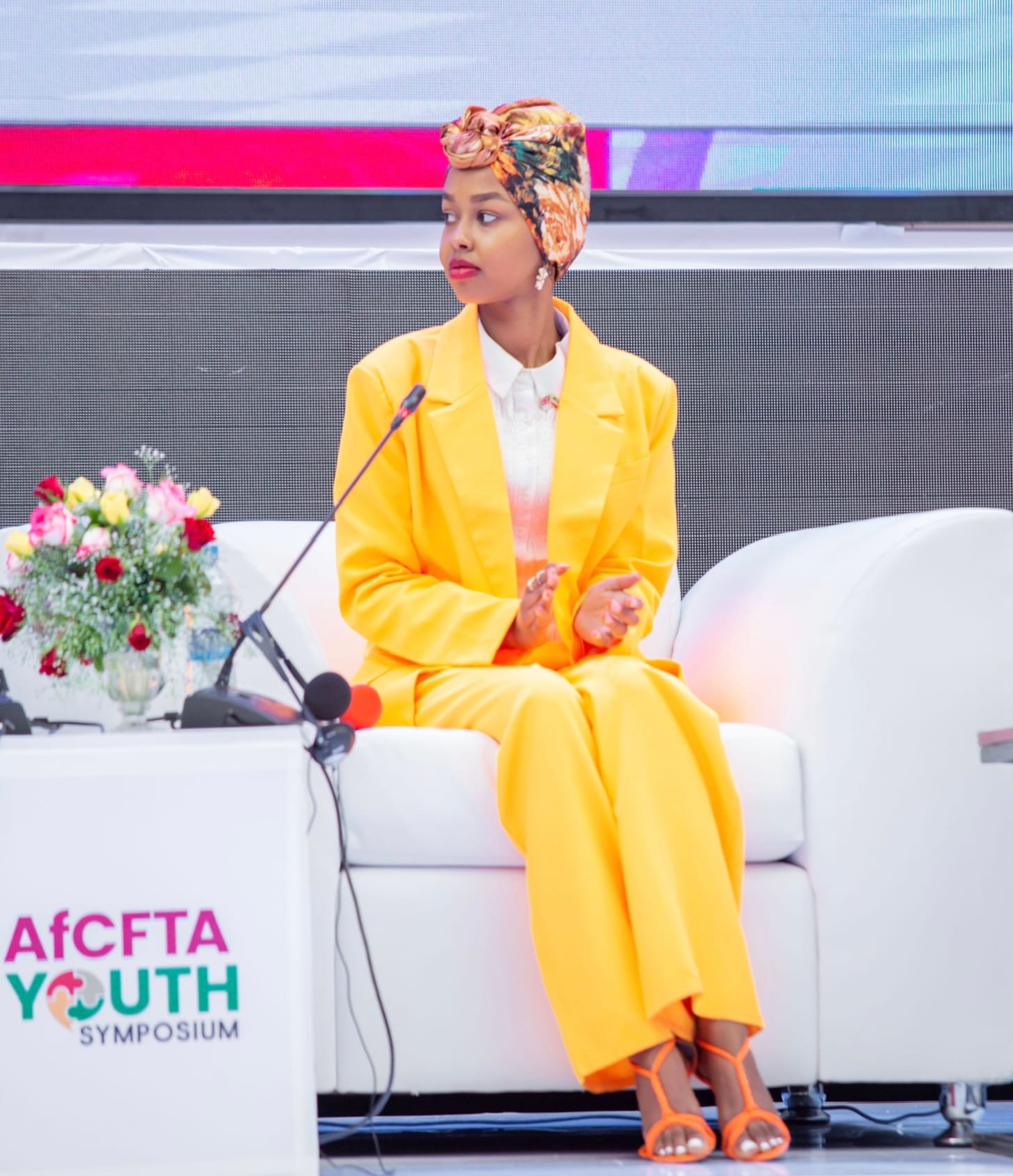
I refuse to accept that change is slow, that justice is a privilege, or that leadership should be reserved for those the system was built to serve. The world does not need saviours; it needs structural change, radical accountability, and leadership that reflects the realities of the people it serves. That is the work I do. That is the work I will always do.
Being an entrepreneur, a solo founder during a pandemic, and a Muslim woman of colour has been a battle on multiple fronts. Institutions gatekeep. Opportunities come with unspoken conditions—ones that demand exhaustion, erasure, or unethical compliance. Visibility can often mean being tokenised rather than truly included.
Whether in a war-torn region or an underserved neighbourhood, the barriers may look different, but the impact is the same—limited access, lost potential, and a system unwilling to make room for those it was never built for.
In every continent I have travelled to, the barriers shift but never disappear. New landscapes, new power dynamics, but the same exhausting need to prove that we are not just leaders—but whole, complex beings with value. That we deserve space without having to compromise who we are. We should not have to minimise our identities to be accepted, nor prove our worth to access basic human rights.
There have been moments of doubt. Moments of depletion. Moments where I have wondered if any of this is worth it. But then, I see a young leader step into their power or I witness an organisation shift its culture, an initiative change the trajectory of someone's life, or a community reclaims its voice. And I remember: This is worth it.
Disruption is uncomfortable, but discomfort is the price of transformation. If we want change that is not just theoretical but tangible, we must demand more than rhetoric—we must demand action, from ourselves and others.
My collective work is centred around:
- Leading as a human: Leadership is not just about strategy; it is about integrity, courage, and faith in the possibility of change.
- Decolonising Structures and Spaces: Moving away from hierarchical, exclusionary models to collaborative, sustainable leadership practices that value lived experience and local expertise.
- Courageous Conversations & Accountability: We cannot fix what we refuse to name. We cannot feel human without vulnerability. We need safe environments where power, privilege, and systemic inequities can be challenged, not overlooked or cast aside.
I enjoy inspiring agency in others, forging connections across borders, and ensuring that leadership, investment, and opportunity have a ripple effect that reaches those who need it most, those who aren’t always visible.
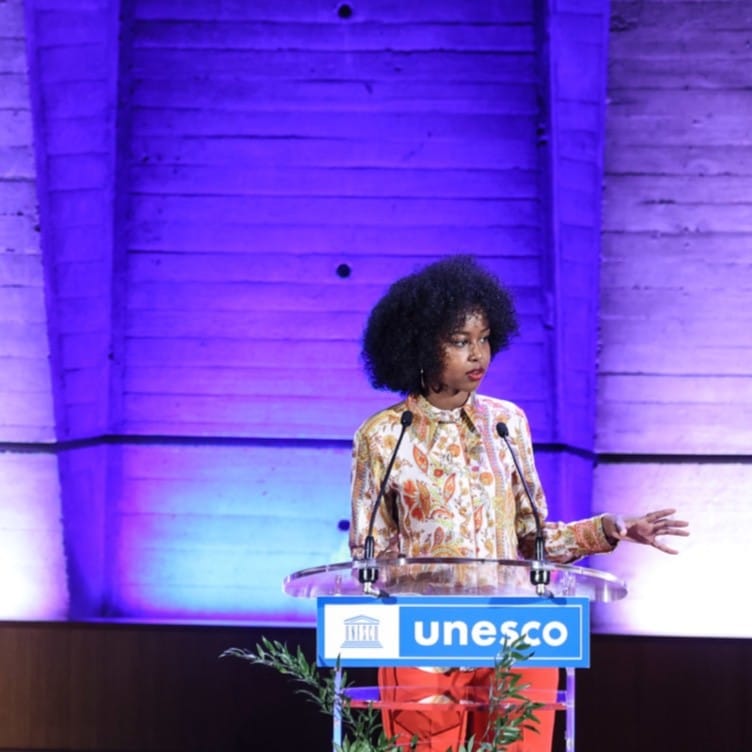
Some of my proudest moments have been being recognised by the African Union for my creative work and advocating for education at the United Nations HQ—both platforms allowed me to stand up for youth whose futures were stolen by inequity and conflict—young people who, unlike me, never had the chance to escape.
Not only have I been able to lead in the continent that birthed me, but I have also had the privilege of bringing international investment back to the schools and communities I serve in the UK, reinforcing a truth I have always known: our challenges are deeply interconnected. Whether in a war-torn region or an underserved neighbourhood, the barriers may look different, but the impact is the same—limited access, lost potential, and a system unwilling to make room for those it was never built for.
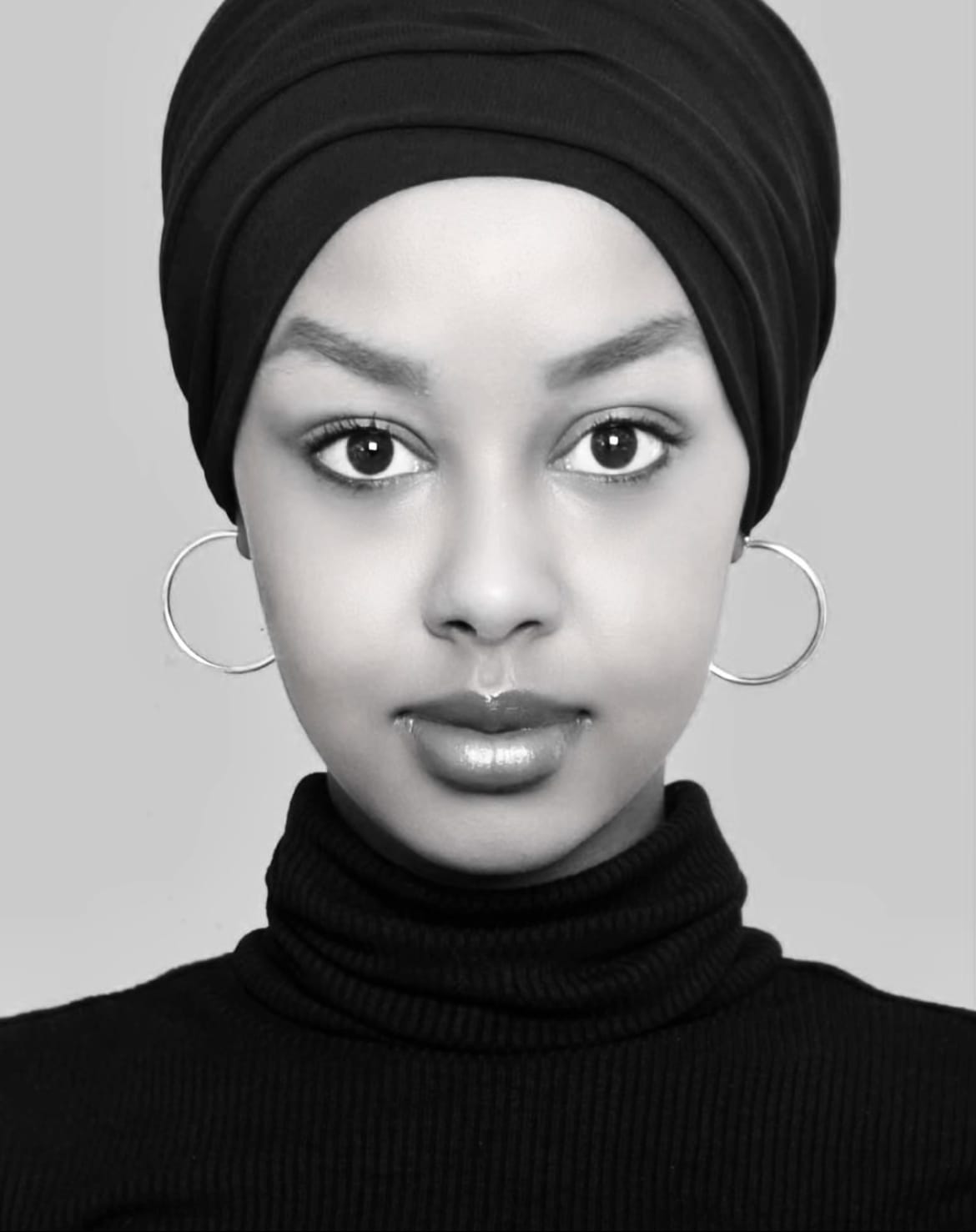
My greatest success is the mutual understanding and relationships I have built across sectors, cultures and generations—it fills my soul with so much hope. The real milestone isn’t just being in the room; it’s ensuring that those who have been locked out of those spaces now have the approach, the confidence, and the platforms to shape their own futures. It’s about ensuring that those who have been unseen are now heard, those who have been underestimated are now empowered, and those who had skills but never had access are now leading the table.
Entrepreneurship has elevated my abilities and given me a chance to dream boldly so I can redefine success on my own terms. To disrupt is not just to challenge the status quo, but to build something better in its place—something more interconnected, more just, and more reflective of the world we deserve.
What makes me a Disruptor is my refusal to accept the limitations placed upon me. I will not let others define my identity or dictate my place in the world. My existence is not up for negotiation, and my God-given rights are not conditional. By the grace of God, I am bringing colour, energy, and joy to life and turning monotone worlds into something vibrant, human, and alive.
I believe true impact is not measured by titles or recognition, but by the voices empowered, the opportunities expanded, and the shaping of a future where those who come after us step into spaces built with them in mind, without questioning whether they belong.
Ayan Said is a British-Somali educator, entrepreneur, and sustainability strategist helping leaders integrate ethical, inclusive, and accountable decision-making into their organisations. She collaborates with executives, governments, and institutions to strengthen leadership models, bridge cultural divides, and integrate data-driven interventions.
As the founder of Voicing Voices, Ayan helps leaders activate changemakers, optimise resources, and apply intersectional thinking to create lasting impact. She is also the co-founder of Variegate Growth, a CIC which supports large organisations to navigate the new UK Procurement Act, ensuring compliance while maximising social value.
Her work enables leaders to future-proof their strategies, ensuring that they are not just reacting to change, but actively shaping it internally and across industries, communities, and global networks.


Member discussion