


When I started doing cartoons, I was a waitress and a sketch comedy writer living abroad in a new city. I was only 22, and the chefs were all men and were sexually harassing and groping the employees. The managers, owners and chefs were all friends, as a result, nothing changed, no matter how many times I reported it.
I came to be known as having an attitude problem, which I now wear with pride. I knew the only way to stop this was to leave and find another job, but I had no money, and it had already taken me months to secure a job—I was so angry. It felt like I was living in a microcosm of how the world operates for men and women: men supporting each other in their misdemeanours, while women silently navigate the world, trying not to complain too much.
As a result, all the comedy sketches I wrote drew from my experiences of ‘womanhood,’ so I transformed the leftovers into cartoons. After uploading them online, I found that women really responded to them. It was the only thing that truly calmed me down, and I felt as if I could see the steam rising off my pen.
After uploading a few cartoons online, women told me they found them relatable and funny, while some men said the cartoons helped them understand the everyday misogyny women face. The cartoons began to gain popularity rapidly, and they brought me so much happiness. I found myself drawing in every spare moment I had, even at work, on the back of old receipts.
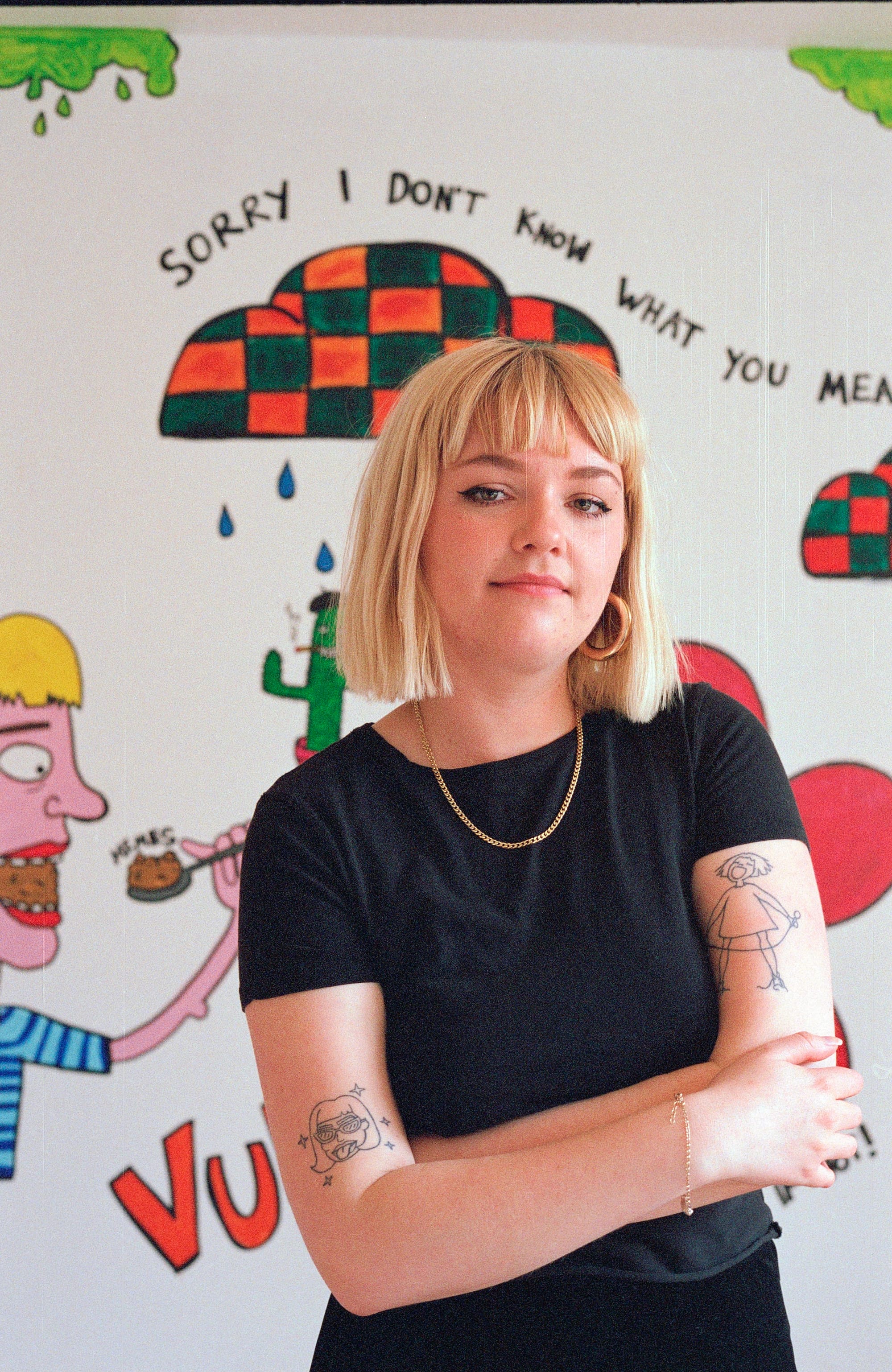
I turned every annoying encounter into a cartoon, along with every theory and hypothesis my friends had come up with. Soon, I expanded to drawing the experiences of my friends and even women I had never met who followed me online and sent me suggestions. I discovered I had a knack for distilling something horrible into an educational, funny, and approachable cartoon.
My journey of going against the grain and challenging the status quo has turned into a happy accident. It has allowed me to make new friends, discover communities, and grow confidence in my creativity. Women have even stopped me on the street to express their appreciation for my cartoons. However, the challenge has been finding a way to turn this passion into a full-time job. I have never managed to do it for extended periods, as I have always needed part-time jobs or side hustles to support myself.
The most challenging part has been enduring the hate and abuse from men and boys online. Over the years, I have learned a lot about men's rights movements and incels because of this exposure, watching this monster grow incrementally into its ugliest and most frightening form. Men frequently send me threatening messages or publicly express their desire to harm women and girls in public comments without any shame. Trying to persevere in the face of this growing movement has been my greatest challenge.
I believe the way to prevent violence against women and girls, whether online or offline, is through education. It is incredibly challenging to advocate for improved sex education, as governments across Europe and the US shift toward more right-wing policies, with tech companies following suit. However, porn literacy is so important.
When we watch a car explode in an action film, we all understand it's fictional, created through the combined efforts of special effects artists, prop designers, and stunt professionals. I want people to apply this same level of contextualisation to pornography, especially videos that depict violence against women.
Only about 10% of my followers are men, but they are incredibly supportive and vocal, which gives me a lot of hope. Occasionally, they message me seeking advice on issues like confronting a friend with sexist attitudes. I wish more men were like this and that men collectively made a public effort to move away from traditional, homophobic, patriarchal masculinity that prides itself on controlling and abusing women.
The milestones have not been about reaching a specific number of followers; rather, they've been the one-on-one chance encounters with women. Occasionally, I might bump into someone on the street or receive a message online, where they reference a particular cartoon and share how it helped them explain their experiences to their boyfriend, dad, or colleague.
I once met a man who told me that my cartoon on weaponised incompetence helped him understand the burden of domestic labour on his partner. Another time, a woman shared that she listened to my podcast episode on almond moms, which helped her have a conversation with her own mom about eating disorders. I also encountered a couple who decided to change their Alexa to a male voice after reading my cartoon about digital sexism in voice assistants with female voices. It is a domino effect; if you can change one person's mind, you have the potential to change hundreds or even thousands.
I am a Disruptor because I have an attitude problem! What was meant to be an insult by men has become the thing women like most about me. So, I am 100% going to trust women’s judgement on that!
Lily O'Farrell is a feminist writer and cartoonist from London. In 2018, she started drawing on the back of receipts, and since then, she's published a book of cartoons called 'Kyle Theory' and a documentary podcast series called 'No Worries If Not' about women and internet culture.
Her funny, educational cartoons have been translated into Turkish, Portuguese, Vietnamese and Italian and used in schools and universities. You can find her work @vulgadrawings on every platform, or at vulgadrawings.com.


Member discussion