


I am Irish-Ghanaian—my mum is from Ireland, and my dad is from Ghana. I think looking at those two cultures, I really benefited from being a boxer. They both possess a very strong warrior spirit energy in both cultures, which I feel reflects in my choice of sport.
Growing up, I was raised with two boys, which benefited me in terms of walking into the boxing gym. It prepared me to be comfortable in a very male-dominated environment. However, I was not into sports when I was young. In fact, it was the opposite—I always had a note to get out of PE.
By transforming my own experience of abuse and using boxing as a healing tool, I am creating new pathways for other women to heal and recover.
In my younger years, I was more focused on academics and theatre. I attended the Brit school, a famous performing arts school, and went on to get first-class honours in marketing and management, focusing on music. I worked in the music industry before discovering boxing in my early twenties.
I did not get into boxing until my early 20s. It was primarily led by wanting to get fit but not liking the idea of the gym. When a family friend suggested trying the local gym, All Stars, I gave it a go. I absolutely died after my first session and thought, “Who does this?” But boxing is really special—you catch this bug where you keep wanting to go back. That is what happened, and it just snowballed from there.
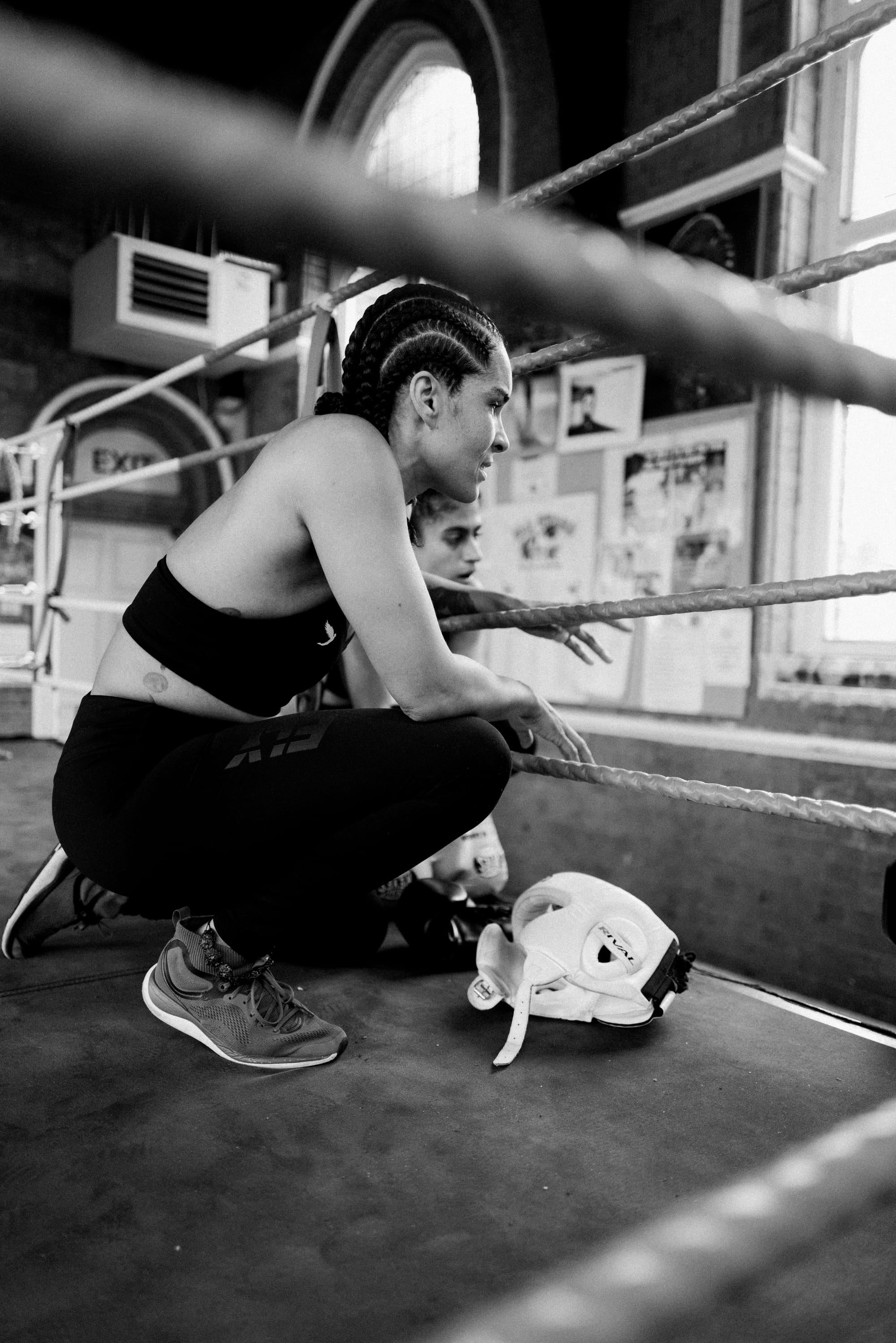
My coach saw natural talent and helped nurture that, which was really important. Boxing just made sense to me, and I think it comes from that fighting spirit I have always had—this was just a way to channel that energy.
Initially, when I started competing, I did really well in a short space of time. I won the ABA championships and was selected to box for England. At that time, female boxing was relatively new, making it challenging to secure funding and gain experience through team trips. We had to invest our own personal time, energy, and money because the funding was not there.
I made it to the first-ever female Olympic selection, which is when things started to change. However, there were only three categories at that point, and I was effectively priced out because there was nowhere for my weight category to go. Still, it felt like a natural end to what had been an unexpected journey where I had already achieved so much.
I would like to see more awareness and action around supporting females during their menstrual cycles, particularly in weight-driven sports like boxing. Women can be up to 2-3 kg heavier during their cycles, which has a massive impact on weight-based competitions.
My strategies to maintain peak performance and mental well-being include always having something to work towards, setting specific goals and endpoints, balancing push with adequate rest and respite, and maintaining consistent movement as an underlying foundation for mental wellness.
I would like to see more awareness and action around supporting females during their menstrual cycles, particularly in weight-driven sports like boxing. Women can be up to 2-3 kg heavier during their cycles, which has a massive impact on weight-based competitions. This lack of awareness and support has led to concerning practices. Some of these include women taking double doses of contraceptive pills to cancel their periods for competitions, water weight and retention affecting performance, and a general lack of acknowledgement regarding how menstrual cycles impact performance timing. Better consideration is needed for weight-categorised sports.
There are some key milestones I have been proud of. Some of them include winning the European gold medal on first entry (my first major international tournament), being the first person to win gold on their first entry into such a tournament, competing successfully against far more experienced fighters, training alongside notable teammates like Natasha Jonas, Nicola Adams, Nina Hughes, and Savannah Marshall, establishing Fight Forward, an organisation using boxing to support women out of abuse, and raising three daughters, which I consider both my biggest challenge and gift.
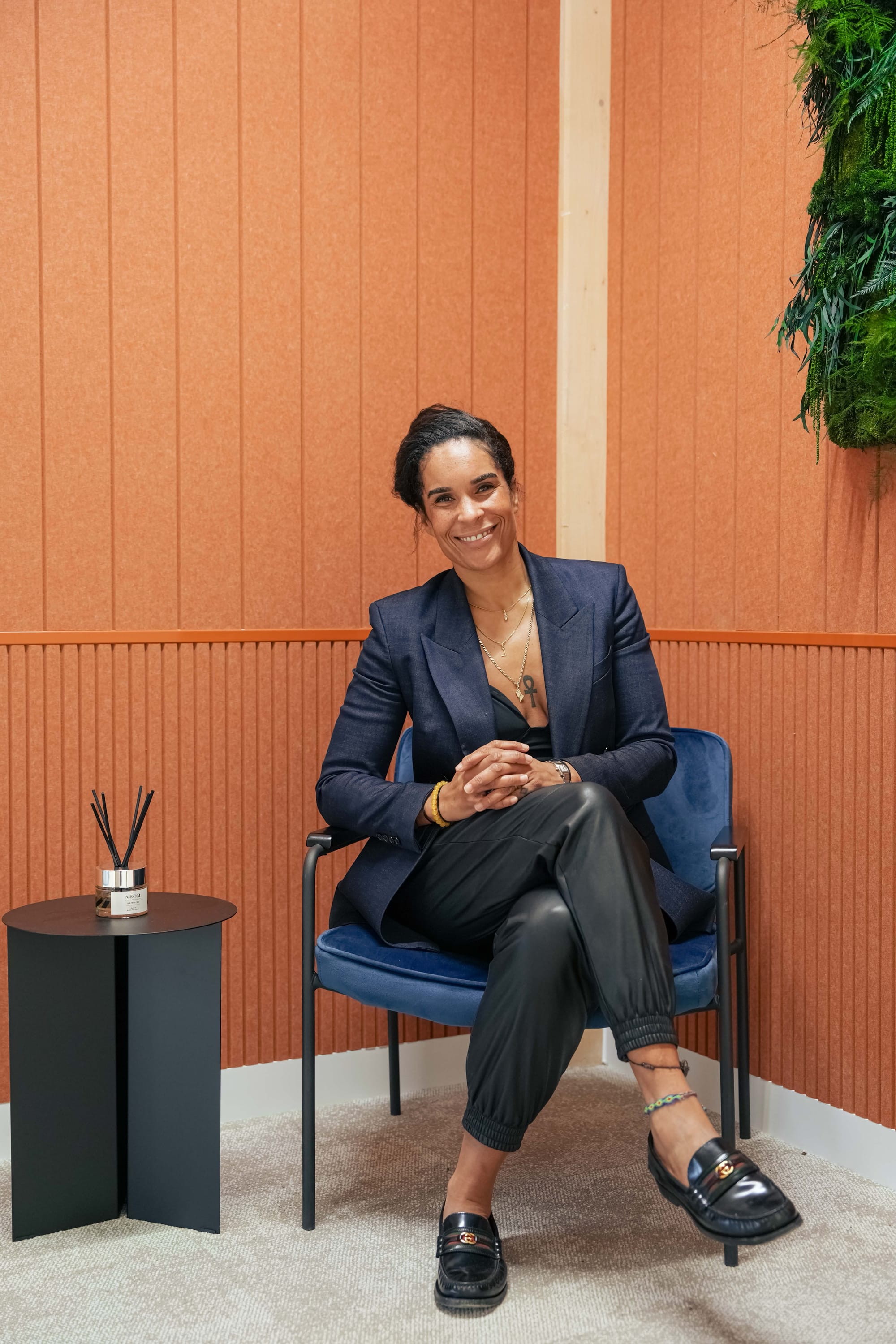
Life constantly presents obstacles, but boxing has given me the mindset and tools to navigate, adapt, and overcome. Some specific challenges include missing Olympic selection due to weight categories, personal setbacks and trauma and balancing a career with raising children.
However, these setbacks often led to new opportunities, such as starting the Boxing Boutique, which focuses on training women.
My work with Fight Forward is particularly disruptive because it challenges preconceptions about boxing. We are using what is typically considered a violent sport to heal women who have experienced violence. The program helps women reclaim consent over their own bodies and voices, connect with their bodies in a healing way, find community and connection and process trauma through physical movement.
This is especially significant given that domestic abuse is at endemic levels in the UK, affecting one in four women. By transforming my own experience of abuse and using boxing as a healing tool, I am creating new pathways for other women to heal and recover.
Lesley Sackey is a pioneer in women's boxing, social enterprise founder and most recently founder of tech start-up Pillow, a digital platform to support survivors to thrive. Lesley was the first British woman to win gold at the EU Championships in 2008 on first entry and has represented England and Great Britain on numerous occasions.
Following her success in competitive boxing, Lesley began to use boxing as a tool to champion and empower women. First with The Boxing Boutique, a training business established over 10 years ago, and more recently, Fight Forward C.I.C, a pioneering social enterprise that uses boxing as a tool to improve the mental health of survivors of domestic abuse.
Other notable achievements include: Co-producing an independent documentary with BBC Sport that explores female boxing in Ghana, shedding light on the challenges faced by women in the sport globally. She has also appeared as a guest trainer on Channel 4’s "How To Get Fit Fast" and was an athlete on BBC 3’s "Last Woman Standing."
Contributing editor: Akua Opong


Member discussion