


Find Chloé on Instagram at @chloedallolio and on her website The Body Talks.
I grew up in Catholic Italy, in a family and society that were pretty fat-phobic. I think everyone in the late 80s and 90s was indoctrinated into thinking that thin was the only acceptable body type. My idols were white, thin, fashionable Disney Channel stars, and I was bullied at school because I was fat and wore a brace.
As a kid, I was always the friend, the counsellor, the one people turned to, but I would spend hours alone in the bathroom. I remember looking at my belly after getting out of the bathtub, dreaming of picking up a pair of massive scissors and cutting off the part of my stomach that stuck out. I imagined what it would be like to cut out the fat, to have a flat belly, to one day have my breasts bigger than my belly. I was probably around 7 or 8 years old, already feeling flawed and out of place.
The first time I saw a photo of Candice Huffine, the first American curvy model walking for Jean Paul Gaultier, something in me changed. She was curvy, she was stunning, and I looked like her! Seeing representation and appreciation of a larger body made me feel like I could also fit into the fashion industry. There was hope! That was the catalyst that started my journey. I began researching other curvy models and felt much better about myself.
I remember looking at my belly after getting out of the bathtub, dreaming of picking up a pair of massive scissors and cutting off the part of my stomach that stuck out. I imagined what it would be like to cut out the fat, to have a flat belly, to one day have my breasts bigger than my belly.
I had always taken acting and dancing classes since I was young because I felt a calling towards performance. But photos were a turning point. The internet opened a new world of possibilities and changes in the market.
I’ve always taken photos and portraits of myself, even before selfies were a thing. Let's bless the camera hole on laptops! I was always trying to rewrite my perception of myself, and now I had a chance to fit in.
I started hanging out at catwalks and events when I moved to Milan to attend university. Eventually, I met someone who was casting for the first curvy calendar in Italy in 2013. I ended up getting the cover and started conversations with modelling agencies. I had planned to go to London, do something bigger, work with more people, learn English, and work with artists. However, something else was calling me, so I decided not to go ahead with the modelling agencies and started my journey here instead.
We store all our trauma in our nervous system, often without even being aware of it. By letting go of performativity through moving meditation, ecstatic dance, or any form of improvised movement, we can reconnect with our bodies.
I wanted to show people that bigger bodies are also beautiful. I wanted to show it to myself and the world at the same time.
They say: "If you don’t see it, be it," and I worked towards it. First with my own body, then trying to involve and show a wider array of bodies.
A decade ago, the landscape was different; there were few content creators openly sharing their lives with bodies that didn't conform to traditional beauty standards. It felt necessary to be a voice in that space.
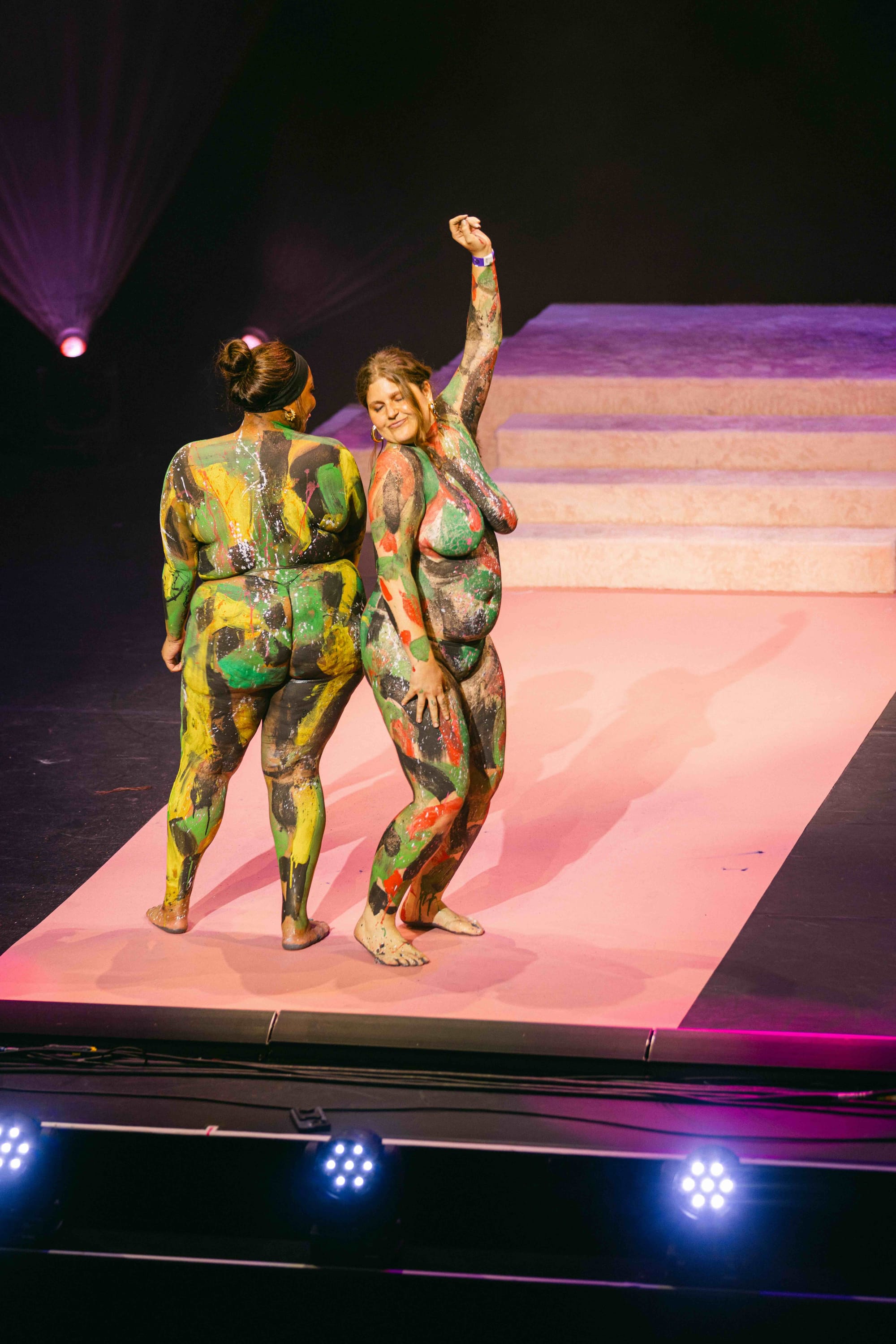
Engaging with my body through art and movement—modelling for artists, performing, and eventually creating my own video and performance pieces—has been a crucial part of my self-healing and body image journey.
Movement is everything. We store all our trauma in our nervous system, often without even being aware of it. By letting go of performativity through moving meditation, ecstatic dance, or any form of improvised movement, we can reconnect with our bodies. This allows us, and our nervous system, to shake off layers of tension, stress, and trapped frustration, and to work through trauma. It’s both magical and scientific. This has been a significant part of my journey towards body positivity.
Understanding and appreciating how my body can feel better by moving and shaking, imagining being in thick honey, feeling the power of ocean waves, or screaming while stomping to a drum track, has been transformative. Recognising my body as a sacred vessel that carries me through these journeys motivates me to work with my body instead of against it. This practice has helped me appreciate, feed, love, and support my body in the way it asks me to.
I would like to say to anyone struggling with self-love that they are perfect the way they are. It takes time to truly hear this and let it sink in.
There are still many things in society that would need to be changed to have greater inclusivity. The fashion industry, for example, makes it hard to show and share how to feel good and joyful in your skin wearing trendy and hot clothes because it’s so difficult to find something that is not a tent or a bad print kaftan. Stores don’t generally sell cool clothes in bigger sizes and if they do, they do it online only. Even then, they just scale up the fabric and don’t really think of designing for larger bodies. While this works well for people who can sew and alter their own clothes or have the means to commission artists and designers, it’s unfortunate for those who can’t.
I also have to deal with trolls who leave nasty comments when they see my belly. It's my body, and I wear what makes me happy. The negative reactions reflect a broader societal need for access to mental health and self-help resources, as well as a more radical structural change towards addressing fatphobia and health inclusivity. It's not about blaming individuals; it's about creating an environment where everyone can thrive. Of course, this is a shared problem, every artist, creator and creative that shares their non-conforming body or life on social media is somehow destined to online hatred which in a way is part of the game but again, shows where we are at as a society.
Recognising the privilege of my position and understanding the levels of racism, ableism, transphobia, and other forms of discrimination against non-conforming bodies has been eye-opening. It's frustrating to see how discussions about fat bodies are often dismissed as outdated concerns, even as the correlation between being fat and societal rage or health concerns remains prevalent. The fight for body positivity and acceptance must include all bodies, including trans bodies, and acknowledge their experiences and struggles.
Find ways to express yourself—whether it’s writing, singing, drawing, or humming. What makes you feel more alive? Give yourself this gift. Tell your inner child they are doing so well.
Yet, it is also important to acknowledge and celebrate the significant transformation in the perception of body positivity in the past years. Initially spearheaded by black fat activists, the movement aimed to challenge and dismantle the systemic biases and prejudices against marginalized bodies. Unfortunately, a quick search on Instagram often reveals a diluted version of this powerful movement, featuring mainly thin, white women highlighting minor imperfections.
We must remember the roots of body positivity and honour its origins. It began as a radical challenge to societal norms and a call for the acceptance of all bodies, regardless of size, race, or ability. This foundation laid the groundwork for what we now understand as body neutrality—a perspective that encourages individuals to focus less on appearance and more on what their bodies can do.
Today, the movement has evolved from body positivity to body neutrality and beyond. I now resonate deeply with Sonya Renee Taylor's concept of radical self-love. It transcends standard labels and goes beyond mere acceptance, urging us to embrace our bodies as they are and recognize their inherent worth. This future vision must also incorporate intersectionality, acknowledging that our experiences with body image are influenced by overlapping identities such as race, gender, sexuality, and disability.
I want to see trans, fat, old, disabled, weird bodies on the catwalk and I want the industry to create collections dedicated to them.
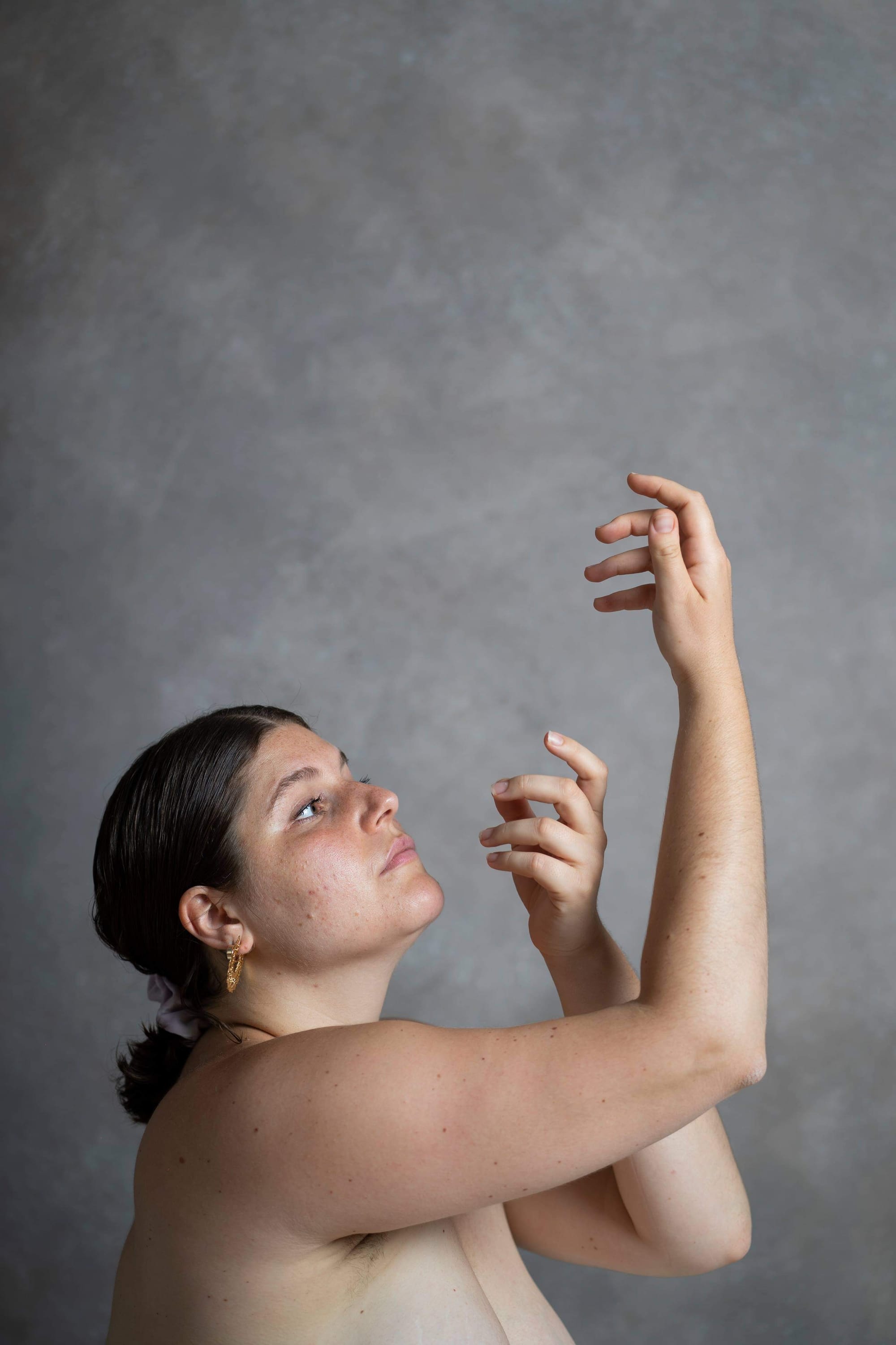
My future goals focus on expanding body positivity through my project “The Body Talks.” I aim to connect with and share the stories of artists, creators, eccentrics, gurus, outsiders, businesspeople, coaches, and teachers who have inspired me. Through interviews, performance art, and shared projects, I want to explore how our bodies communicate with us and how we can reconnect with them.
This project was born from my own healing and self-acceptance journey, where I discovered that our bodies have a lot to say, but we often struggle to hear them. By moving, singing, creating art, embracing somatic practices, and shedding layers of shame and productivity pressure, we can reconnect with our bodies.
I want to see trans, fat, old, disabled, weird bodies on the catwalk and I want the industry to create collections dedicated to them.
I want to share these discoveries and continue learning from others. This journey is political and important. Let's hold hands and embark on this wonderful ride together. Society and capitalism want us disconnected from each other. Taking the right steps to stay connected and work as a community, integrating rest, integrating plant medicines like cacao, and embracing the way our bodies work, our brains work, our divergences and our authentic selves is crucial.
My project, The Body Talks uses the body as a starting point for dialogues about sexuality, empowerment, exclusion/inclusion, health, and self-care. By interviewing and collaborating with diverse individuals, I aim to highlight stories of empowerment, challenge exclusion, and celebrate self-care and health. These conversations and creative collaborations will inspire and educate us on the importance of listening to our bodies and embracing radical self-love.
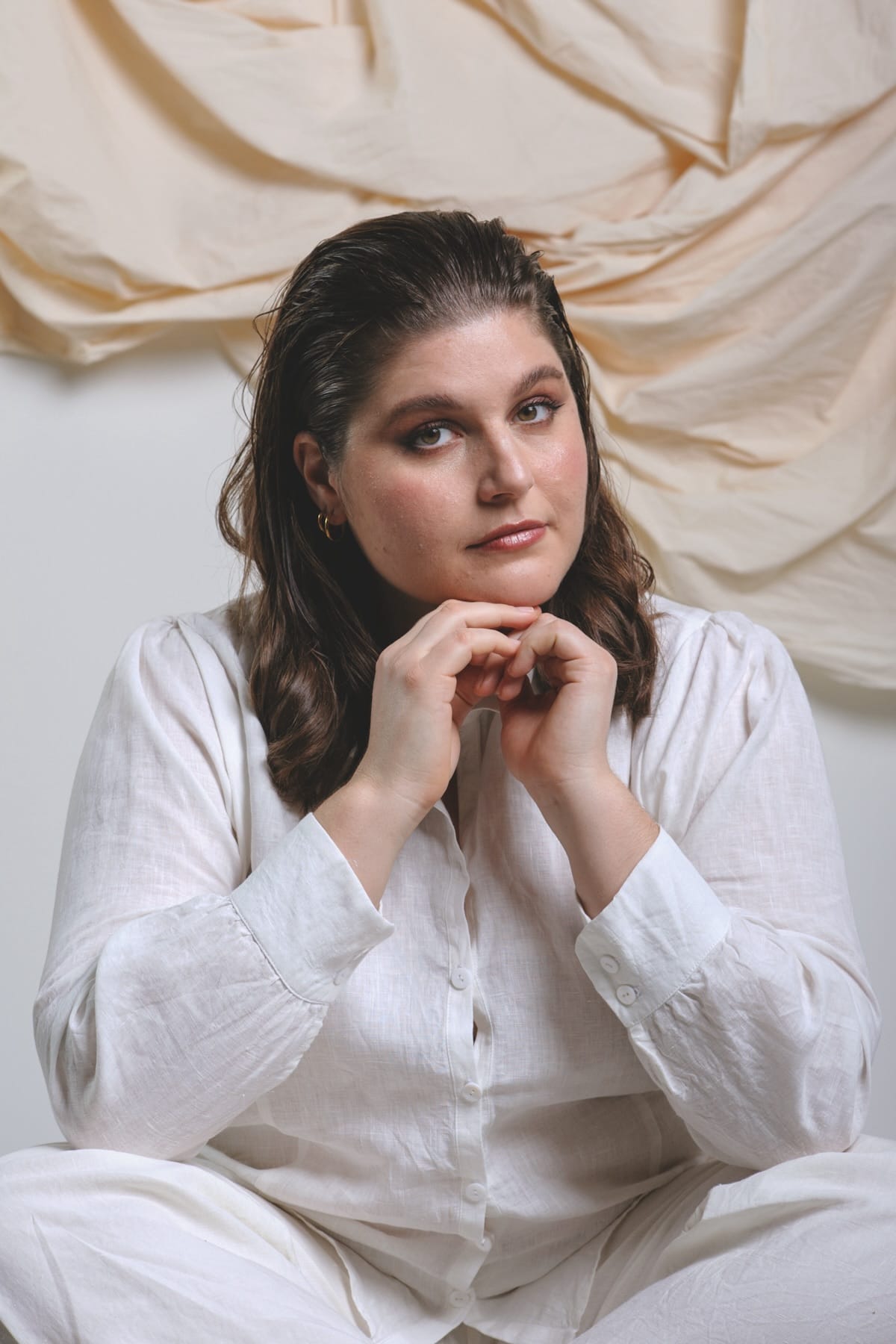
I would like to say to anyone struggling with self-love that they are perfect the way they are. It takes time to truly hear this and let it sink in. Initially, we might even reject this concept and push it away. Many of us, for various reasons, don’t feel worthy of being considered good enough to experience life, let alone feel “perfect the way we are.”
I hear you. You are not alone.
Explore ways you can move your body, even if it’s just your arms, your head, your feet, your eyes. Find ways to express yourself—whether it’s writing, singing, drawing, or humming. What makes you feel more alive? Give yourself this gift. Tell your inner child they are doing so well. Remember, your body is a way for you to experience all these things, and it is valid, no matter its shape, form, or ability.
You are valid, you are loved.


Member discussion