


When I received my Bipolar 1 diagnosis in September 2018, it opened my eyes to a conversation steeped in shame and embarrassment. At 22, I had just endured a three-month psychotic high followed by a seven-month depressive low. I had not yet developed a strong sense of self, so the experience of being sectioned and having to stop work for my mental health left me feeling overwhelmed and traumatized. To make matters worse, those around me spoke about the situation in hushed tones and with concerned expressions.
The depressive low left me in a place where I could no longer rely on my mind to protect me. Every day, I woke up to intrusive thoughts suggesting that ending my life would be the easiest route. I felt frightened for my future and wished to be anyone but myself. All I dreamt of was experiencing good health, happiness, and independence.
Being vulnerable and sharing your story often leads to observation and judgment, which is a frightening place to be for someone with an overactive mind.
Over the past four years, with the support of incredible family and friends, I have found my way back to myself. I have quieted the voice in my mind that tells me Bipolar will limit my potential. Despite the online narratives suggesting that good health would be unlikely and that continuous episodes were inevitable, I have seen significant improvements in my mental health. This progress has acted as a catalyst for my desire to challenge the status quo. I am now someone who holds down a job, enjoys time with friends, and loves life. Although the years surrounding my diagnosis were incredibly traumatic, they have also taught me to believe that anything is possible. I am now on a mission to speak out about the fact that Bipolar should not limit your future. I am determined to change the tone around the conversation of mental illness, especially for the sake of young people receiving their diagnoses.
While Bipolar is difficult to manage, removing the shame and normalising the conversation by adopting a candid tone can make understanding and coping with the condition so much easier. The more you learn about your illness, the better you can anticipate what to expect. Additionally, knowing about the available support makes it easier to access and understand. Breaking the stigma and helping young people feel normal during this challenging time is essential.
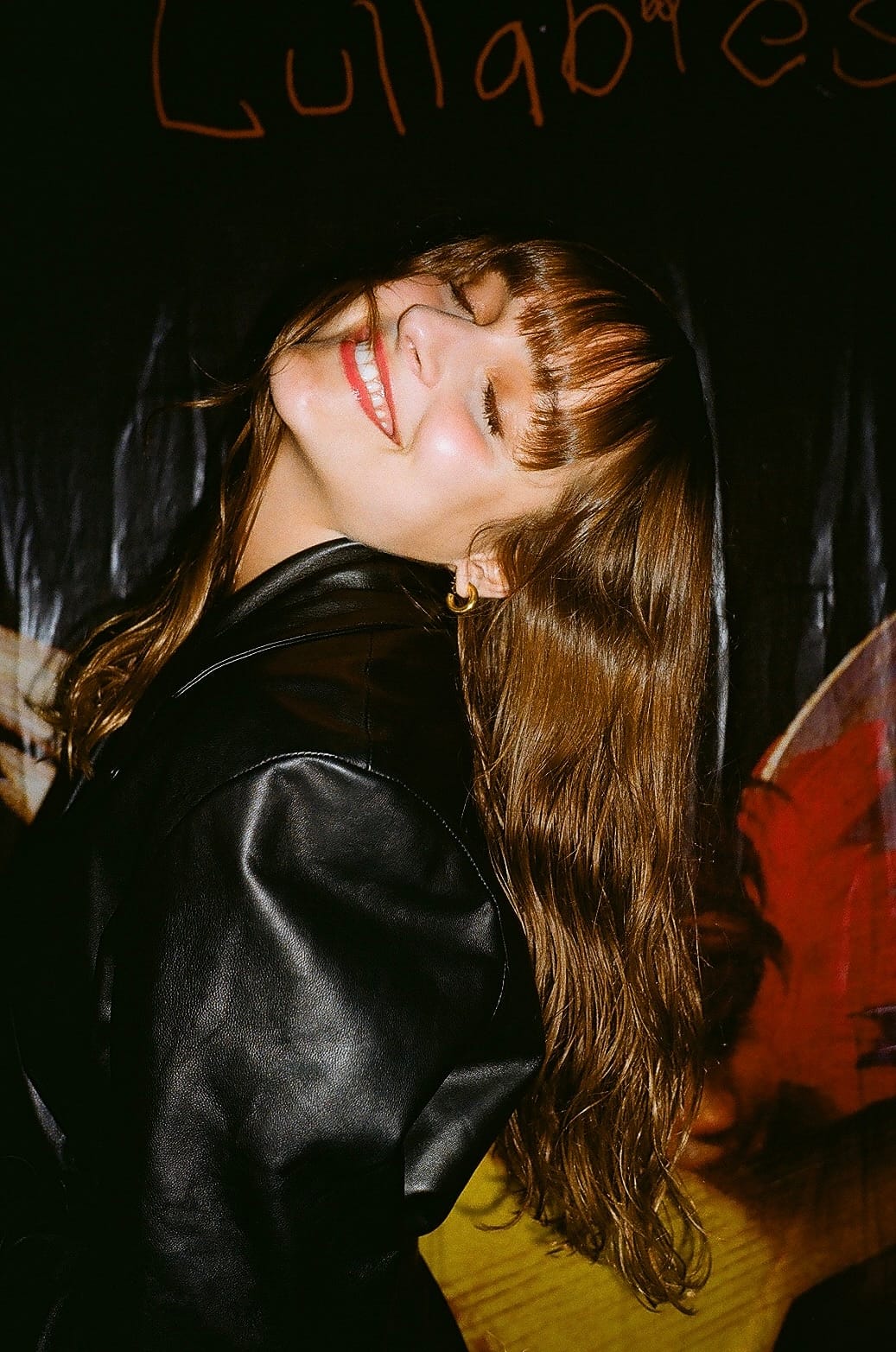
Losing a family member to suicide in 2020 ignited a sense of urgency within me. You never think that kind of loss will happen to you, but when you experience a whole community and family in grief, it changes your perspective. My way of coping has been to talk about mental illness not from a place of shame, but from a place of honesty.
I have taken my Bipolar diagnosis as an opportunity to take my mental and physical health more seriously. It really does make managing everything easier! While I always exercised, I've learned a lot more about what routines make me feel good and have become more in tune with my body's needs. I would follow the same regimen every day in the past, but now the voice in my head has become much more compassionate, allowing me to adapt based on what I can handle each day.
Socially, I have gravitated towards people who leave me feeling lighter and inspired. To feel sure of myself and comfortable, I had to make an effort to meet new people who enjoy looking after themselves or make me feel accepted when I choose not to drink or need to leave early to get enough sleep. While this may sound unusual, the daily rituals I have developed keep me well, and I have found that the kindest people are those who won’t try to change you but will encourage and support you.
Reflecting on how my experiences have positively impacted society, I have always tried not to focus too much on the big picture. Instead, I aim to act in ways that I would have wanted to see from a 28-year-old woman with Bipolar when I was newly diagnosed. Writing a positive-toned article for Women’s Health and releasing an honest documentary in 2023 marked my first year of sharing my experiences publicly. I hope these projects gave young boys and girls hope that they, too, could one day move beyond the initial fear that comes with a diagnosis.
Changing the tone around Bipolar and other serious mental illnesses is a significant challenge. However, I believe we can make strides by encouraging those affected by these conditions to speak openly, even if it's just to one person.
In my immediate community, I raise money for mental health charities every few months through a non-profit I set up in 2019. Whether it’s a single guest feeling safe to be themselves at an event or the charity’s ability to support a young person in need, even a tiny ripple in the ocean feels better than nothing. For all the support systems that helped me feel seen, it only feels right to give back from a place of strength.
If I'm honest, going against the norm of not talking about Bipolar and hiding my diagnosis is extremely uncomfortable. The hardest part isn't encountering disagreement but rather the silence from many people. Being vulnerable and sharing your story often leads to observation and judgment, which is a frightening place to be for someone with an overactive mind. Questions like, "What are they thinking?" "Do they think I'm attention-seeking?" "Should I just hide it and act normal? constantly plague me.
Those worries never fully go away, but learning not to always listen to my mind has enabled me to be where I am today. So, I must maintain this stance when challenging the norm and quieting my ego.
Changing the tone around Bipolar and other serious mental illnesses is a significant challenge. However, I believe we can make strides by encouraging those affected by these conditions to speak openly, even if it's just to one person - whether that be a friend, parent, or employer. The more honest we are about how these illnesses affect us, the more likely people are to offer better support.
When I think about how things could improve, my focus always shifts to how individuals with these conditions can regain their health rather than worrying about the attitudes of those unaffected. To me, that aspect simply isn't as important.
I am very proud of running the London Marathon this year. I take a medication called quetiapine, which can make mornings very lethargic. Training during winter, a time when I am also very susceptible to feeling low, was challenging. Yet, getting up for every training session and seeing myself improve both physically and mentally was incredible. I never saw myself as someone who could complete a marathon, so it has instilled a sense of confidence in me that great things can happen if you work hard. Having some of my closest friends at the finish line, I honestly felt like one of the luckiest people on the planet that day.
I consider myself a Disruptor because I refuse to accept that the current information about Bipolar is the limit. I genuinely believe a new narrative can emerge, one that can positively impact lives.
I am releasing a book next year, written in a positive tone, to contribute something unprecedented in this space. I want to create a book that resonates with the tone of my favourite authors, those who inspire and uplift me. I want it to be a book you can't put down, one that makes you laugh and feels honest.
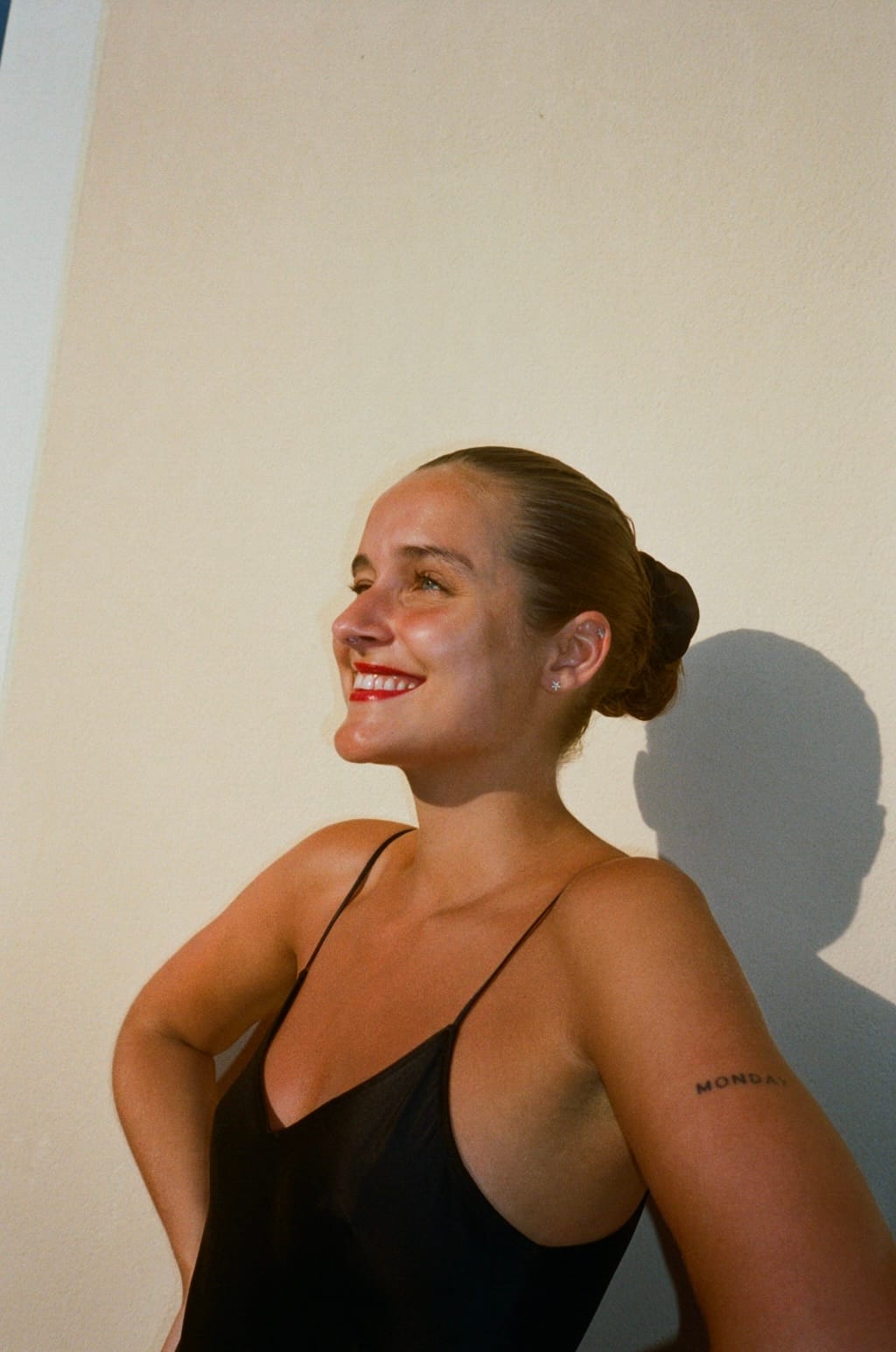
Rosie Viva is a 28-year-old presenter and events coordinator, living in London. In 2018 Rosie was diagnosed with bipolar disorder, and she is now passionate about encouraging and helping people talk about neurodiversity - especially young people. 2023 saw Rosie become the subject of a Channel 4 digital documentary charting her day-to-day experiences of living with bipolar which has amassed over 100,000 views and the Channel has coined her as the next ‘face of mental health’. Music and fitness are two things proven to improve mental, physical and social wellbeing and they are certainly both a passion and a priority for Rosie. She can be seen hosting backstage at many festivals and also has a great interest in classical music and its benefits. With first-hand experience of what it is like to live with a neurodiverse mind, Rosie wants to inform and educate her audience on the condition itself and the incredible power that music and fitness hold for all of us.


Member discussion