


With the commencement of the Olympics and its aftermath, in collaboration with Days for Girls, we have launched an editorial series aimed at exploring the often undiscussed topic of menstruation's impact on female athletes through the stories of three female athletes. The athletes will delve into the unique challenges faced during their periods, from potential staining of uniforms to managing pain and effectively communicating menstrual needs to coaches. By shedding light on these experiences, the series hopes to raise awareness about the realities of menstruation in the world of sports.
This is Samin Abedkhojasteh's story:
As a female athlete, there are several unique challenges related to the menstrual cycle that male athletes do not experience. The menstrual cycle can significantly impact both mental and physical performance. For example, the hormonal fluctuations throughout the cycle can lead to changes in mood, energy levels, and physical capacity. Competing during the menstrual phase, especially on days of heavy flow, can be particularly challenging due to discomfort, fatigue, and the need to manage menstrual symptoms while performing at a high level.
Additionally, cultural factors can compound these challenges. For instance, coming from a country like Iran, discussing menstrual-related issues with male coaches can be difficult. In some cultures, menstruation is a taboo subject, making it uncomfortable or even impossible for female athletes to communicate openly about their needs. This can lead to situations where female athletes feel pressured to participate in training activities that may not be suitable during certain phases of their menstrual cycle, such as heavy lifting or high-impact exercises, which could increase the risk of injury or exacerbate symptoms. I did not have these challenges in Indonesia and Europe when I was training there.
Competing during the menstrual phase, especially on days of heavy flow, can be particularly challenging due to discomfort, fatigue, and the need to manage menstrual symptoms while performing at a high level.
Overcoming these challenges requires not only personal resilience but also a supportive environment where female athletes can openly discuss their needs and receive appropriate adjustments to their training regimen. This would allow them to perform optimally while managing the natural fluctuations of their menstrual cycle.
The menstrual cycle can significantly impact both mental and physical performance, influencing an athlete's training, competition, and overall sporting experience. I remember competing in a national championship on the first day of my period when my flow was particularly heavy. It was an incredibly difficult and painful experience. The discomfort and physical strain were challenging enough, but competing at such a high level, and playing 6 matches a day while dealing with menstrual symptoms made it even more demanding.
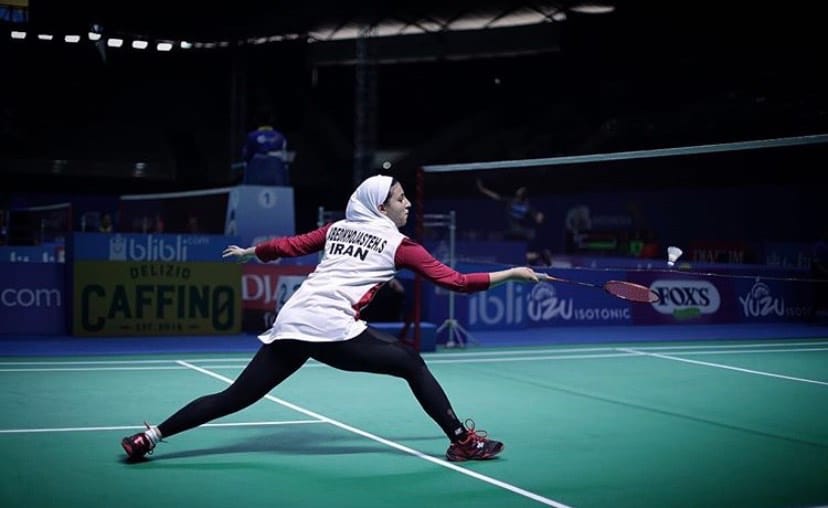
Fortunately, my mother, who was also my coach, was there to support me and understand my situation. Having a coach who was aware of and empathetic to the effects of the menstrual cycle made a world of difference. This support allowed me to navigate the competition despite the physical challenges I was facing. I also remember often wishing that my competitions could be scheduled on the third day of my cycle, as I noticed that my physical performance tended to improve by then. On that day, my energy levels and physical condition were usually better, which I believed would enhance my performance.
If coaches, trainers, and teammates are more informed and understanding, it can create an environment where female athletes feel comfortable discussing their needs. This would allow for better planning and adjustments in training and competition, helping athletes perform at their best, regardless of where they are in their menstrual cycle.
The impact of the menstrual cycle on athletic performance is significant, and I believe that if coaches and athletes were more educated on this subject, it could have a positive effect on women's sports. Understanding how the menstrual cycle affects the body and mind could lead to better training and competition strategies, allowing female athletes to perform at their best regardless of where they are in their cycle. Education and open communication on this topic could also reduce the stigma around menstruation in sports, creating a more supportive environment for female athletes. This would not only improve performance but also contribute to the overall well-being and empowerment of women in sports.
When I had tournaments on the African tour or when travelling in developing countries, I always took my products with me because I wasn't sure if they would be easy to find there. I didn’t want to spend time searching for them or dealing with the uncertainty.
Now, I try to track my cycle, follow a nutrition plan, and know which foods are better for me to make my period flow easier. I also do some breathing exercises to help relax my body. But as a young athlete with intense training schedules, managing my menstrual cycle has always been a challenge. I often experienced painful cramps during the first two days of my period, making it difficult to engage in any kind of training. Unfortunately, I didn't have a dedicated team to monitor and adjust my training based on my cycle. It was mostly just my mom and me handling everything, from planning my training sessions to managing my diet. I was in contact with different badminton coaches, physical trainers, and nutritionists, but without a cohesive team to support me, the responsibility largely fell on my shoulders.
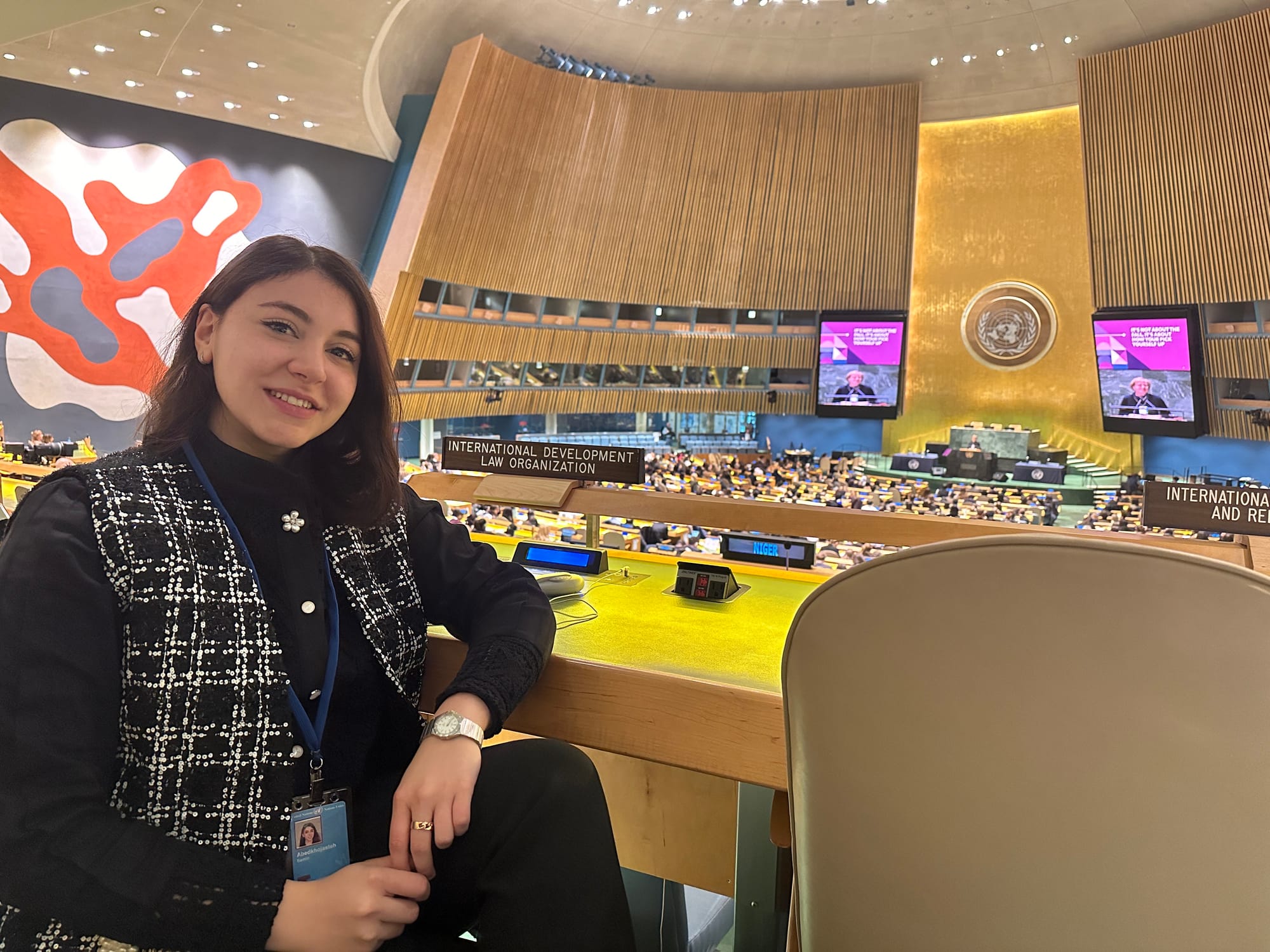
One memorable experience was during the World Junior Championship in 2016 in Spain. The day before the competition was the second day of my period, and it was incredibly hard to practice. My male head coach was visibly disappointed with my performance during practice - I was moving slowly, lacked focus, and wasn’t playing as I usually did. I felt like I couldn’t openly explain the reason for my struggles, not only because of cultural barriers but also because discussing menstruation with male coaches and teammates was not very comfortable as a 17-year-old young girl. Despite this, I pushed through mentally, convincing myself that the next day I would have the energy and power to perform at my best. And I did - I made history for Iran by winning two rounds against opponents ranked 70th and 80th in the world, becoming the first Iranian girl to reach round 32 at the world championship.
This experience highlighted how deeply cultural barriers can affect female athletes. If I had felt more comfortable discussing my menstrual cycle openly, or if my coaches had been more educated and understanding, my experience could have been different - perhaps less stressful and more supportive. Managing my period in such situations often involves relying on mental strength and self-belief.
Talking openly about menstruation in sports is crucial for breaking stigmas and supporting female athletes. If coaches, trainers, and teammates are more informed and understanding, it can create an environment where female athletes feel comfortable discussing their needs. This would allow for better planning and adjustments in training and competition, helping athletes perform at their best, regardless of where they are in their menstrual cycle. By breaking down these barriers, we can foster a more inclusive and supportive atmosphere in sports, which is essential for the growth and success of female athletes. Moreover, this approach can have a broader impact beyond sports, serving as an example for other areas of society to follow, and promoting openness and understanding about menstruation.
Samin Abedkhojasteh is a former Iran national badminton champion who now represents Switzerland. With over a decade of international experience as a professional badminton player, she is actively involved in 360-degree athlete development, including brand building. Her efforts are supported by a background in sports psychology and digital marketing. Additionally, she is an advocate for women's empowerment, focusing on promoting sustainable and entrepreneurial approaches to foster positive change.
You can sign up for the Day for Girls Newsletter here.


Member discussion